Thinkwik × Wandergier, Inc.
Wandergier
A social travel app where strangers become travel buddies.
The tension
A social app for meeting strangers while travelling has to feel safe — and stay usable on whatever network you find abroad.
- Role
- Team Lead — Android · 2019 — 2020
- What I owned
- Led the Android build at Thinkwik for Wandergier, Inc.
- Platforms
- Android
- Links
- Website
- trips, buddies, chat & maps
- Social
- MVVM + coroutines
- Kotlin

Context
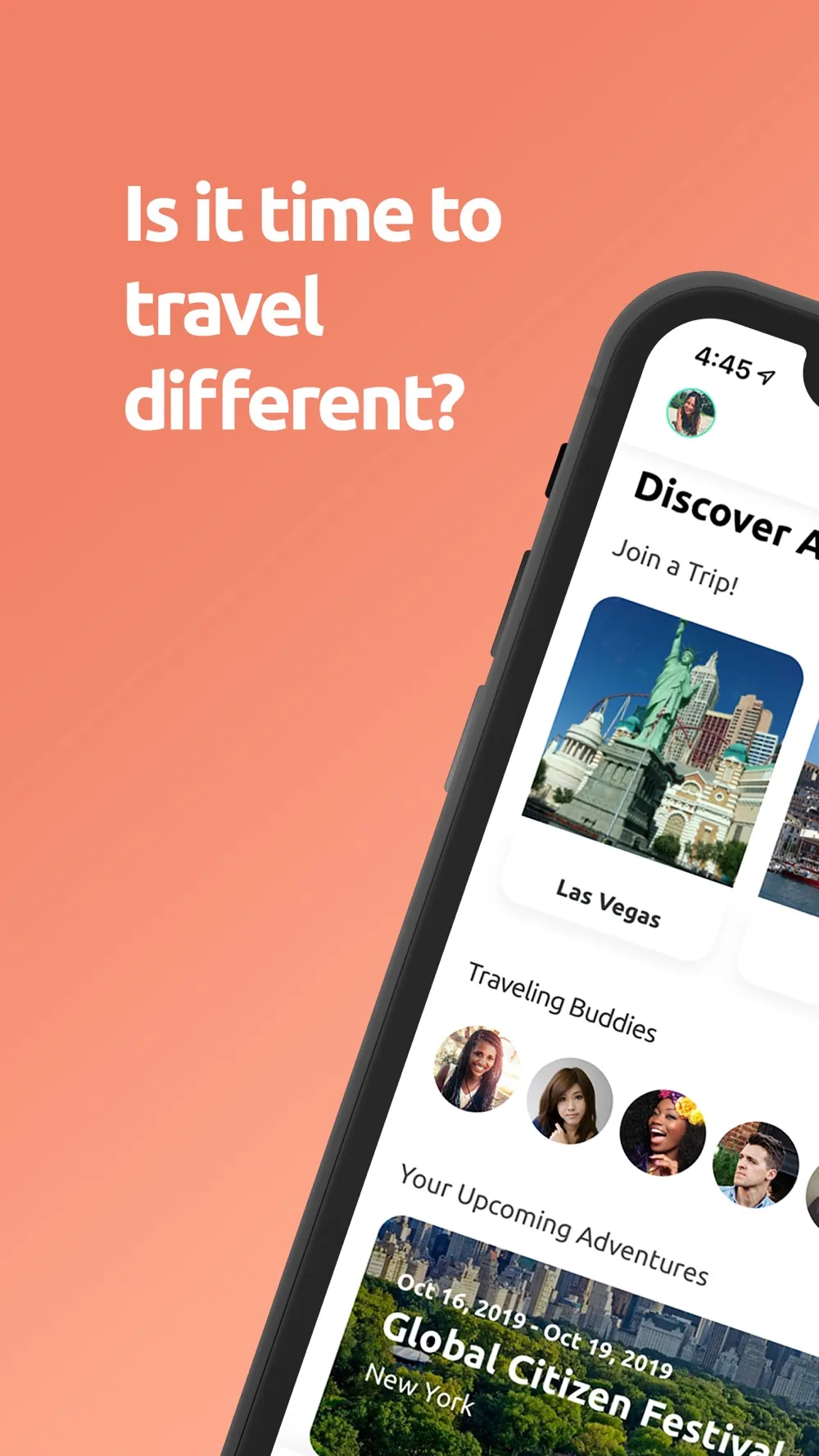
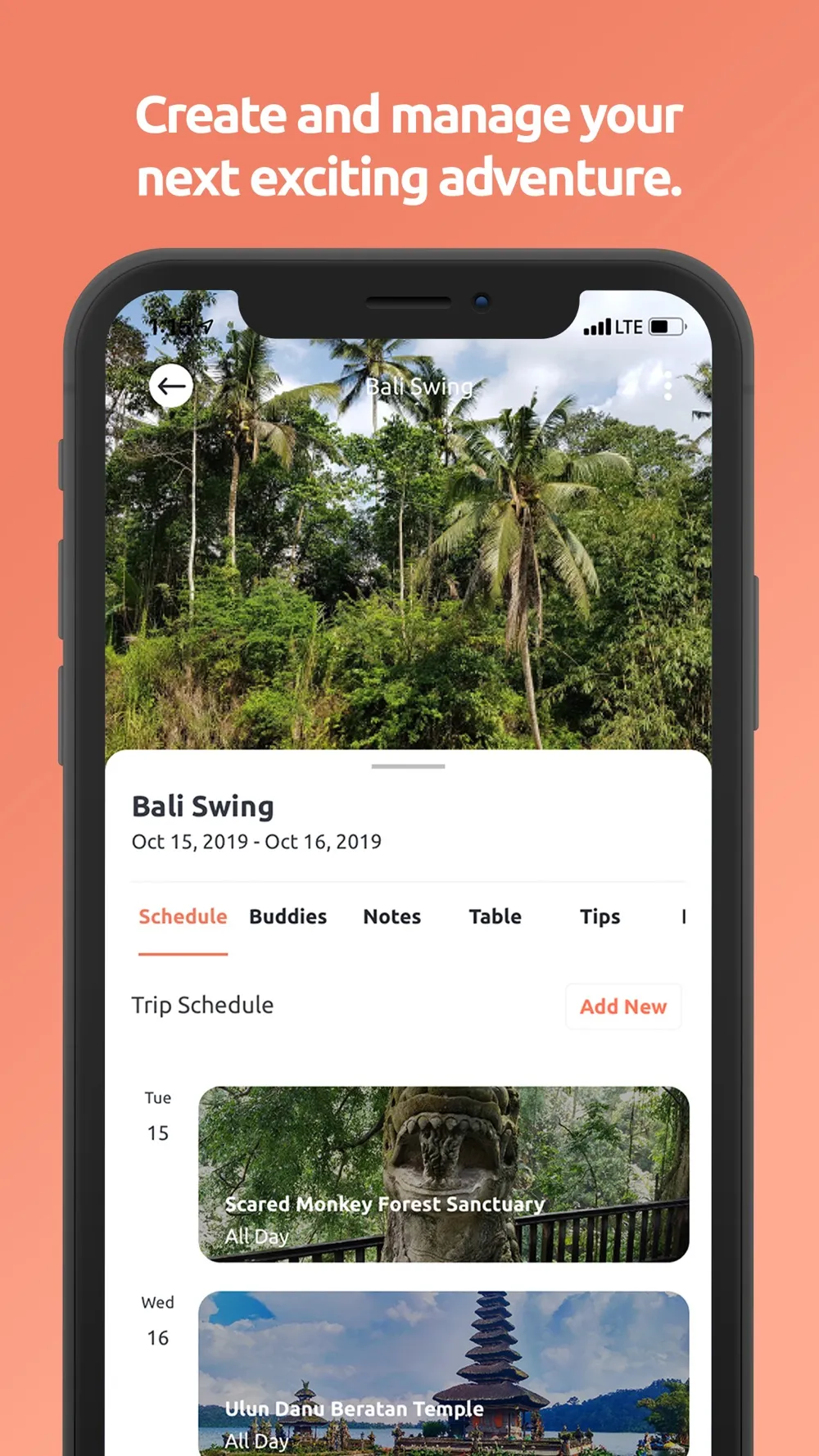
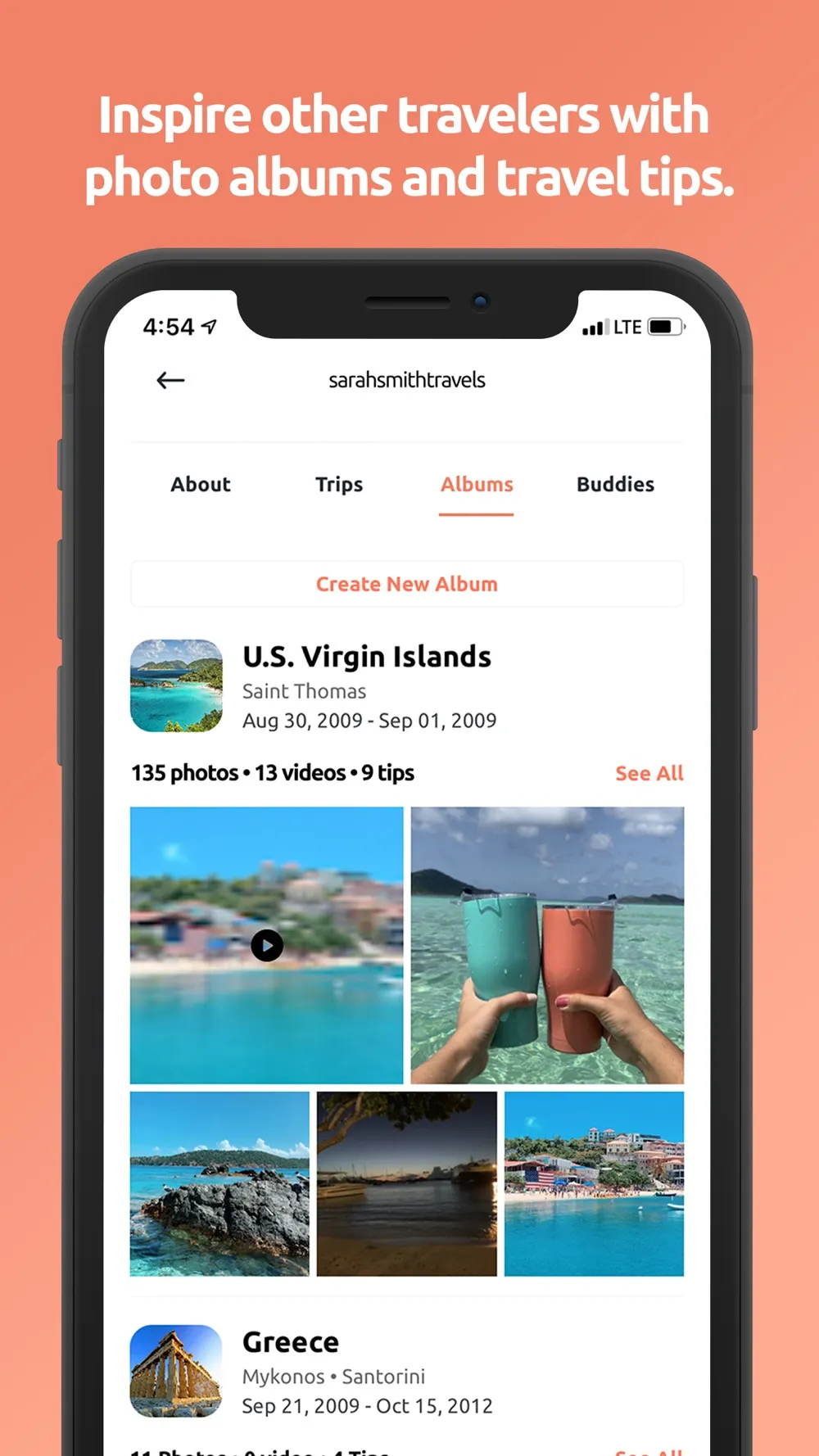
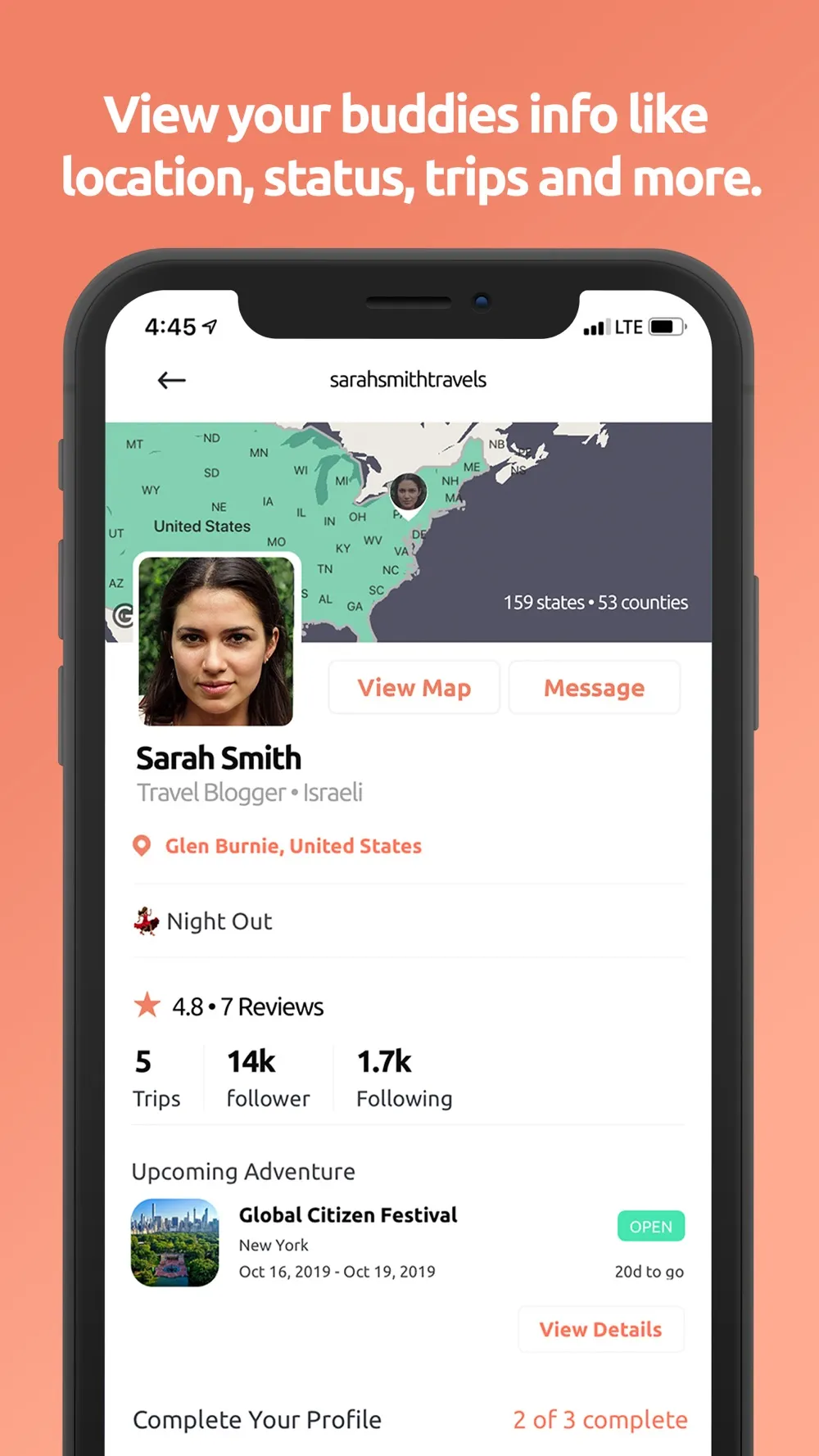
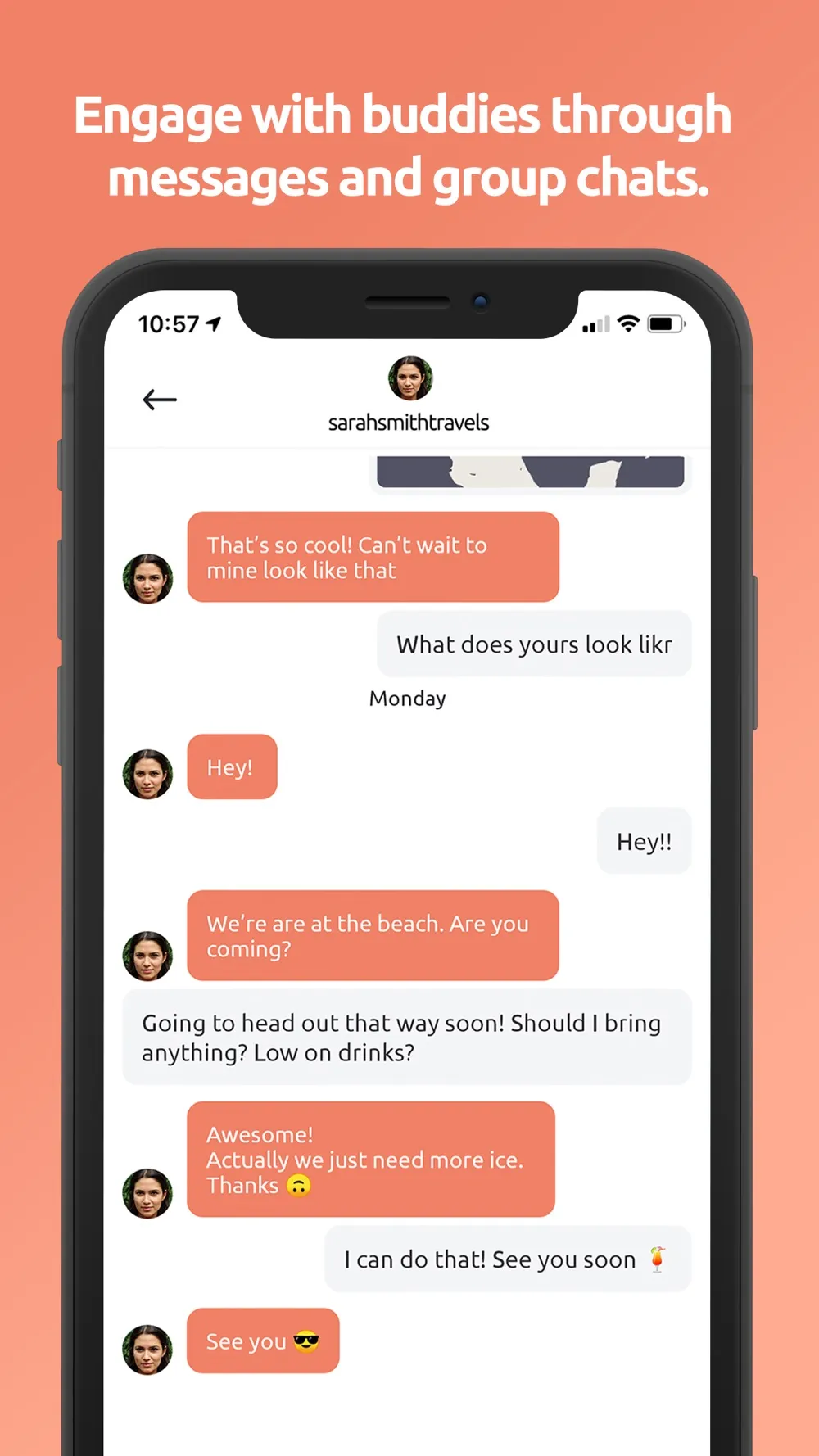
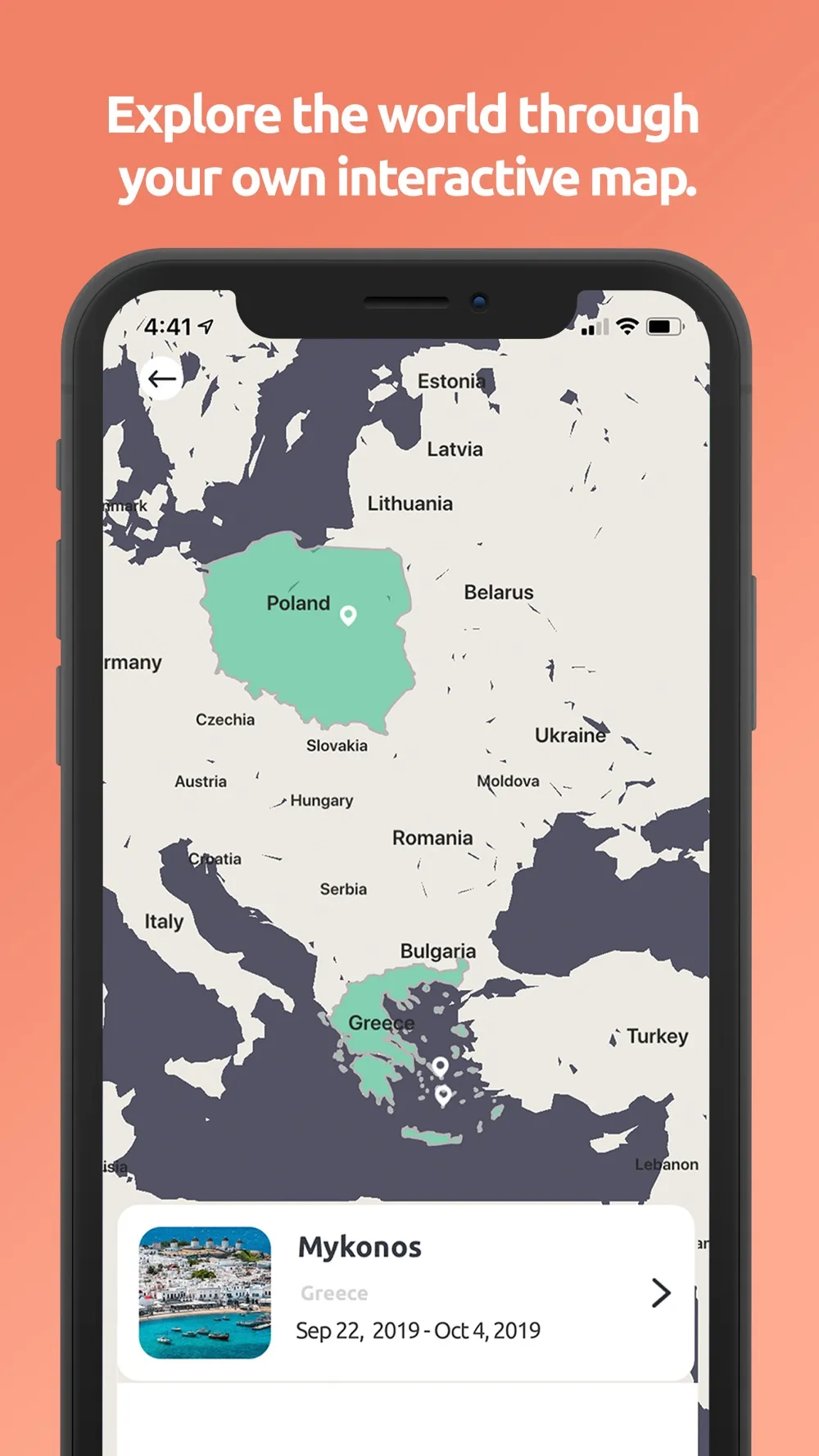
Wandergier helps travellers plan adventures — from weekend getaways to long trips abroad — and meet like-minded people nearby. Users create trips, invite buddies, share albums and tips, chat, and build their own interactive travel map.
Engineering nuance
1. Many screens, one source of truth
Constraint. Profiles, trips, albums, reviews and chats are all interlinked — the same buddy shows up on five screens.
Decision. A Kotlin-only MVVM architecture with shared repositories, coroutines for async work and Dagger2 for wiring, so every screen reads from the same state.
2. Trust is a product feature
Constraint. Meeting strangers while travelling only works if people feel safe.
Decision. Build ratings, reviews and verified profiles into the core flows rather than bolting them on.
3. Media on travel networks
Constraint. Photo albums and maps are heavy; travellers are often on roaming data or hotel Wi-Fi.
Decision. Load media progressively and keep the core — trips, schedules and chat — light and responsive.
Outcome
- A feature-rich social travel app — trips, buddies, chat and maps — on a modern Kotlin + MVVM stack.